Lead Your Home Blog
What I’ve learned from hiring & training a helper - helping you avoid the mistakes I made along the way, while showing how professional tools from corporate business can make your household run smoothly! Discover my Approach.
Between Cultures & Comfort
What if true independence begins with accepting help?
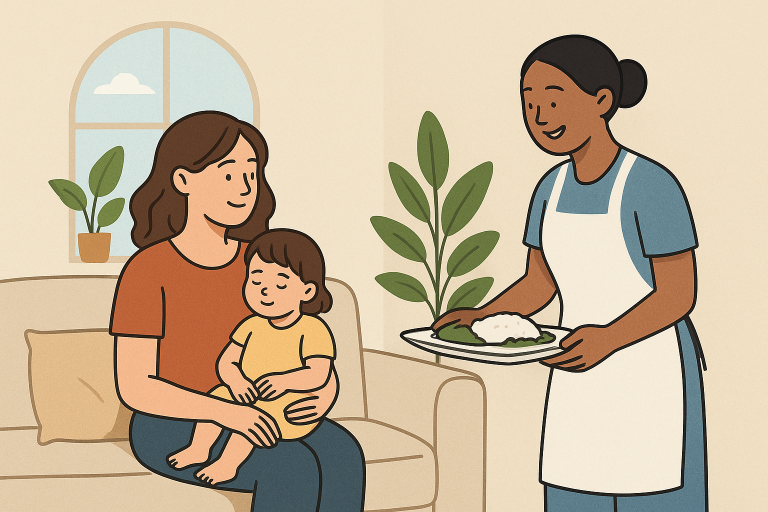
Your Struggle Is Real
Why do the smallest things - a sponge, a sauce, a cereal - cause you stress?

What Our Survey Revealed
Can you relate?
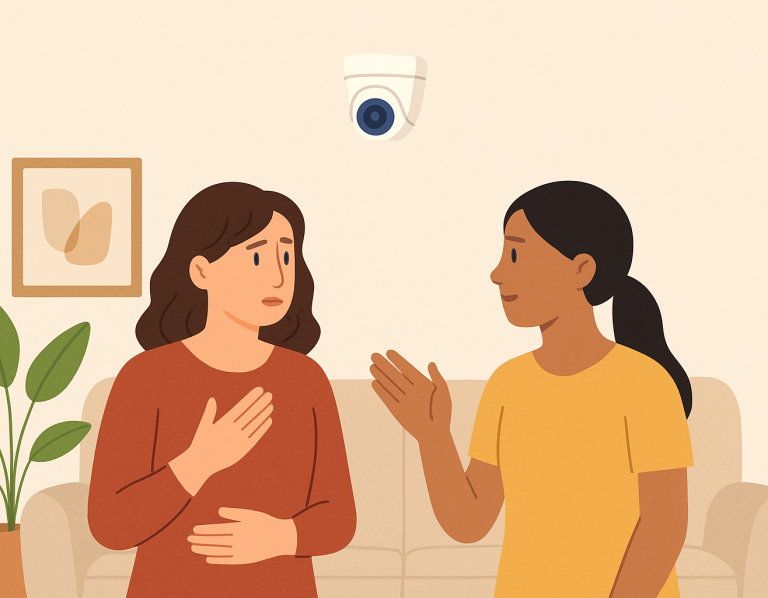
What Haunts Me as an Employer
🎃 A Halloween Edition 🎃
Festive Seasons
How to Prepare Your Helper for a Smooth & Joyful Celebration
WIP
Become an Interview Professional

Between Cultures & Comfort:
What I Learned About Settling in Singapore
SUMMERY
A reflection on what it means to settle in Singapore, navigating independence, cultural differences & the decision to hire a helper. A personal story of gratitude, growth & building bridges between cultures. Hiring a helper doesn’t mean giving up independence - it actually allows us to gain it!
Reading time: 4 minutes
Settling in Singapore as a Westerner taught me a lot about balance, gratitude & cultural understanding. It reminded me that big life transitions - like motherhood or stepping into a new, demanding role - often test us in similar ways. Both invite us to surrender control, to unlearn & to grow.
When I moved here, I was soon blessed with my firstborn daughter. I was surrounded by a strong community, yet I often felt torn between two worlds. In Western culture, independence is deeply valued. We grow up believing we must handle everything ourselves to prove our strength. So, when the topic of hiring a helper came up, I hesitated. How could I ask someone to take over tasks that, back home, I’d proudly manage alone?
But Singapore has a rhythm of its own - one built on interdependence, trust & support. Over time, I began to see that having a helper doesn’t take away independence. It creates space for it. It allows us to show up fully - as parents, as professionals, as humans.
The first weeks weren’t easy. I wasn’t used to giving instructions or receiving help in my private space. I wondered how to build a respectful relationship with someone who left her own home & family to work in mine. Then one morning, I came into the kitchen, still half-asleep & smelled breakfast being prepared while my daughter giggled nearby. In that quiet moment, I realized something had shifted. This wasn’t about hierarchy - it was about partnership.
Through many conversations, small misunderstandings & shared laughter, I learned that cultural differences can become bridges when met with empathy. I began to see my home as a place where two worlds meet - each with its own rhythm, values & lessons.
As I spoke with other Western families, I discovered that many had faced the same doubts, guilt & uncertainty. We all wanted to do the right thing, but few of us knew how to start. That’s when I began asking why - why so many of us struggled & what could be changed to make this experience more conscious & kind for everyone involved.
Today, I’m deeply grateful for what Singapore has taught me - for its warmth, its community spirit & its quiet way of showing that asking for help isn’t weakness, but wisdom.
Your Struggle Is Real: Managing a Household & a Helper Isn’t Simple
SUMMERY
Managing a household with a helper in Singapore isn’t as simple as it sounds. From food habits to hygiene standards, cultural differences can cause friction. In this post, I share real-life examples of where misunderstandings arise & why clear, respectful communication is the foundation for household harmony.
Reading Time: 4 minutes
When I first started managing a household in Singapore with a helper, I thought it would simplify things. It didn’t - at least not at first. What I quickly learned is that managing a household with a helper adds a whole new layer of emotional work, communication challenges & cultural learning.
It’s not just about delegation - it’s about bridging worlds.
For many Westerners, household management comes with clear personal standards: efficiency, hygiene, health-conscious meals & respect for privacy. But what happens when someone else steps into your private space with her own habits, logic & upbringing?
That’s where the real work begins.
When “help” feels harder than doing it yourself
I remember the first week vividly. I had asked for healthy home-cooked food - simple dishes. What I got was delicious, but it came from pre-made seasoning pastes loaded with sugar, MSG & preservatives.
For her, it was normal: “The more, the tastier!”
For me, it felt like a cultural food clash in a wok.
Then came the grocery list. Which milk? Full cream, low-fat, or oat? Which cereal—local cornflakes with sugar glaze or plain muesli? Even small details like that became micro-decisions.
Cleaning! That was another lesson in perception. The same cloth might be used for the mirror, the sink & the countertop. For her, it was practical efficiency; for me, it was a silent scream for separate sponges.
None of this came from ill intent - only from difference. Two systems of logic colliding quietly.
It’s not just logistics - it’s emotional labour
Families often tell me the same thing in the beginning:
“We thought having a helper would take away the stress. But instead, we’re constantly explaining, correcting, feeling guilty or unsure.”
Most figure it out after a while & both sides adapt. But I bet - just like it was for me - there are still unspoken things driving you crazy, right?
It’s not that helpers do things wrong - it’s that expectations are unspoken, invisible & shaped by two entirely different cultural norms. Add to that a mix of guilt (“Am I being too demanding?”) & gratitude (“She’s helping my family, I should be patient”) - & the emotional load gets real.
Be aware: for your helper, the load of feeding her family is on her shoulders & the fear of being replaced easily is real.
Why I started a survey
After hearing countless similar stories from other families in Singapore, I realized this wasn’t just my personal struggle. Many families were quietly navigating the same learning curve - unsure how to balance respect, privacy & expectations.
That’s why I launched a survey, “Together at Home,” to better understand the recurring challenges.
If you’re curious about what I found, stay tuned for my next blog entry - where I’ll share the key insights & small shifts that truly make a difference.
What Our Survey Revealed About Managing Helpers in Singapore
SUMMERY
Most families in Singapore struggle not with rules or routines, but with trust, privacy & communication when hiring a helper. Our latest survey revealed these tensions — from unclear expectations to cultural & language barriers often overlooked.
Reading Time: 5 minutes
Before I started Culture & Consciousness SG, I wanted to understand what truly makes managing a helper in Singapore complex for families.
My own experiences had shown me that it’s not just about checklists or chores - but I wanted to validate that impression & asked the community to gain a clearer picture.
Demographics
Most families who responded look a lot like mine: medium-sized households with 3–4 members (75.8%), often with young children. Over half (51.5%) have kids or teens, & one-third (33.3%) even have infants.
In other words — homes full of movement, meals, toys, routines & emotions.
What Families Need Most
The survey showed that families’ top priorities are clear:
Housekeeping & cleaning (90.9%)
Childcare support (81.8%)
Cooking & meal preparation (72.7%)
It’s a daily juggle of care, comfort & consistency — one that helpers are brought in to balance.
The Real Concerns: Trust, Privacy & Emotional Tension
The strongest emotions surfaced around trust.
51.5% of families named privacy & security as their top concern — even more than cost or reliability.
It’s easy to understand why.
Letting someone live in your home - move through your kitchen, touch your laundry, comfort your child — is deeply personal.
Communication: More Than Just Words
Language barriers ranked surprisingly low in the survey (6–12%), yet I see this differently.
When your helper isn’t a native English speaker, & your instructions come from a mindset shaped by efficiency, tone & nuance — misunderstandings are inevitable.
Add in cultural background, & it’s easy to see why so much gets lost in translation.
But that’s a topic for another post!
The Hidden Load: Emotional & Ethical Concerns
Beyond logistics, many families shared feelings of guilt or discomfort.
30.3% mentioned ethical concerns — often around fairness, workload, or the power imbalance inherent in the employer-helper relationship.
This emotional layer is often invisible but real.
We want to be kind, fair & respectful — yet we also want things done right.
Holding those two truths at once can feel exhausting.
Onboarding: Where Expectations Are Made (or Missed)
The results about onboarding practices were especially revealing.
93.9% provide a verbal introduction to duties & routines, proving that direct communication is the default.
57.6% conduct a home tour & 51.5% share written household rules - showing that visual or structured guidance exists, but not consistently.
Only around 40% use daily or weekly checklists or routine calendars, while just 21.2% offer a formal household manual or handbook.
A striking 30.3% start with no structured onboarding at all, relying on learning by doing.
48.5% share recipes to cook, highlighting the need for practical, task-specific support.
Just 3% of helpers receive any professional training - a huge opportunity gap.
This shows how much families rely on verbal explanations — yet language, culture & communication styles can easily distort meaning. Structured onboarding materials could bridge that gap & create mutual confidence from day one.
What I Took Away
We want trust, privacy & reliability — but we often skip the step that builds them: shared clarity.
This realization motivated me to start my training & coaching programs — to help families build structured onboarding systems, improve communication & create win-win solutions that work for both families & helpers.
I can guarantee: it’s less effort than you think when you apply the right principles & provide clear written guidance from the start.
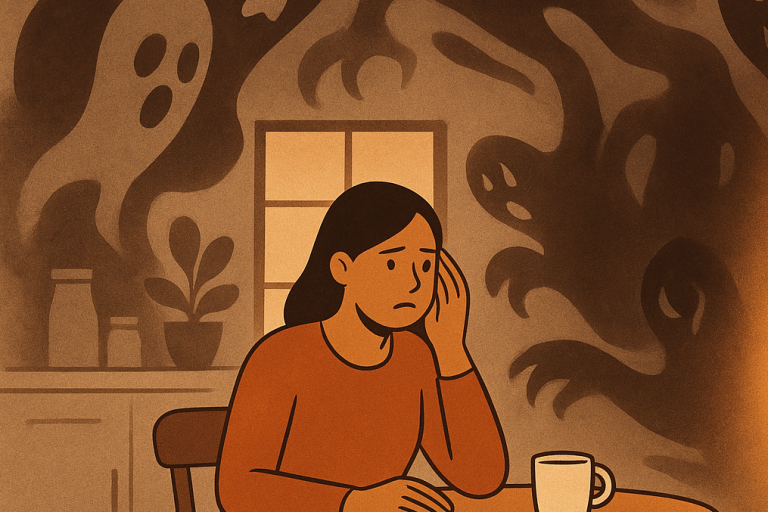
What Haunts Me as an Employer – A Halloween Edition 🎃
SUMMERY
In this Halloween-themed reflection, Culture & Consciousness’ HelperCoach unearths the real “horror stories” shared by both employers & helpers in Singapore — from communication breakdowns to red flags & unmet expectations. Yet behind the fear lies a truth: most helpers are honest, hardworking women striving to support their families abroad.
Of course, there are a black sheep — or should we say, black pumpkins — out there, and spooky headlines still haunt WhatsApp chats. But the question remains: can awareness & empathy transform haunted household tales into stories of trust, respect & partnership?
Reading Time: 6 minutes
👻 The “Haunted” Side of Household Help
It’s no secret that every employer has heard a horror story or two. From disappearing helpers to endless phone use, or conflicts about chores & privacy - these stories spread quickly through WhatsApp groups, coffee chats & Facebook forums.
But step into the helper’s shoes for a moment. Many helpers share equally chilling experiences: constant correction, emotional exhaustion, unclear expectations, or even being denied rest & privacy. These are not just dramatic anecdotes; they’re signs of deeper miscommunication & cultural misunderstanding.
The haunting truth is that both sides often want the same thing - a respectful, stable, trusting working relationship - but the ghosts of poor communication & mismatched expectations keep returning.
🎭 Behind Every Mask — A Real Story
When we strip away the fear, we find humans trying their best. Helpers leave behind children, parents & familiar lives to work in a new culture - often to fund their kids’ education or secure a better future. Employers, on the other hand, juggle demanding careers & family needs, relying on someone they may have just met to manage their most private space: their home.
These are two worlds trying to meet & even the smallest misunderstanding can turn into a haunted experience.
🕯️ Why the Scary Stories Stick
Why do we love to share the spooky ones? Because they’re emotional, dramatic & easy to tell. “My helper disappeared overnight.” “She broke trust.” “She didn’t follow instructions.”
But every horror story has a context — a communication gap, cultural difference, or simple human fatigue. While black pumpkins exist, they are not the majority. Some helpers may show attitude — often a sign of exhaustion or being in the wrong place to find peace. Yet most helpers want to do well, and most employers simply want to create a calm & happy home.
By focusing on awareness, we can move from fear to partnership — from haunting to harmony.
🪄 How to Turn Horror into Harmony
Here’s how awareness & empathy can exorcise those household ghosts:
Set expectations clearly. Talk through daily routines, priorities & what “a good job” looks like from both perspectives.
Communicate early, not only when things go wrong. A 5-minute morning check-in can prevent a week of frustration.
Respect rest, privacy & dignity. A rested helper is a better helper — just like any employee in any workplace.
Be curious about culture. Understand where your helper comes from — her communication style, her fears, her motivations.
Acknowledge effort. A simple “thank you” or “you did that really well” - from both sides - builds trust faster than any rulebook.
Be quick to act on 🩸 red flags 🩸. When something feels off, don’t hesitate — it’s not about fault or blame, but about taking accountability early before issues grow!
Because in the end, the scariest thing for both sides is not ghosts — it’s silence, assumption & unmet expectations.
🌙 Final Reflection
This Halloween, let’s remember that not every black sheep defines the flock. Not every scary story defines the truth. Beneath the surface of fear, there’s always space for awareness, empathy & respect.
Move beyond haunting patterns — to understand cultural nuances, communicate clearly & build partnerships that last. Because when both sides feel seen, understood & supported, even the scariest stories can have a happy ending.
Festive Seasons: How to Prepare Your Helper for a Smooth & Joyful Celebration
SUMMERY
Festive seasons in Singapore bring joy, guests & cultural traditions — but they also add extra tasks & emotional pressure for helpers. This guide shows families how to plan ahead, communicate clearly & create structured festive routines that reduce stress for everyone. Learn practical steps to prepare your helper for decorations, hosting, cooking, & post-event reset, so celebrations feel smooth, respectful & truly shared.
Reading Time: 5 minutes
Festive seasons in Singapore are magical — streets glowing, food everywhere, families gathering, cultures blending. Christmas, Chinese New Year, Deepavali, Hari Raya, birthdays… this city celebrates big.
But if you’re managing a household with a helper, you’ll quickly notice something:
what feels festive to you can feel overwhelming to your helper.
Suddenly there are decorations, bigger grocery runs, guests coming & going, new food expectations, last-minute tasks, & a house that seems to get messier by the hour.
For many helpers, this season can shift from routine to chaos in one week.
That’s why festive success at home isn’t luck — it’s planning, clarity & empathy.
Why Festive Seasons Feel Different for Helpers
Your helper experiences celebrations through a completely different lens:
She may have never decorated a Western-style Christmas tree.
She may not know what “hosting snacks” mean.
She may worry about getting things “wrong” with guests around.
She may have her own festive holidays where she feels homesick.
She may be unsure how to balance extra tasks with her usual routines.
Festive tasks in Western households can also be highly specific: the “right” table setup, the taste of a family recipe, timing of food, how the house should feel when guests enter.
To us, these details carry meaning.
To her, they are… brand new.
The Secret to Festive Harmony: Plan Ahead
A helper cannot read your mind — especially during celebrations.
Planning is not controlling — it’s caring for both sides.
Here’s how to navigate the festive season smartly, peacefully & successfully:
1. Start Early — at Least 2–3 Weeks Before
Your helper needs time to understand new expectations & adjust routines.
Share:
special cleaning tasks
guest schedule
decoration plans
food & grocery expectations
children’s routines during holidays
your own travel schedule if applicable
Talking early reduces stress for everyone.
2. Explain the Why Behind the What
Western festive habits are deeply emotional.
For helpers, they are purely operational — unless you explain the meaning.
Why the tree matters.
Why the table should look a certain way.
Why guests arriving on time means dishes must be ready on time.
Meaning creates motivation.
Motivation creates care.
Care creates harmony.
3. Assign Clear Festive Tasks
Use categories your helper can understand easily:
Pre-Festive Preparations (2 weeks before)
Deep clean high-traffic areas
Prepare decoration items
Organize storage & declutter
Decoration Phase (1 week before)
Assist with tree setup
Hanging lights or festive items
Preparing guest linens & rooms
Setting up kids’ holiday craft areas
Food & Hosting Support
Shopping for specific festive ingredients
Basic meal prep
Reheating, serving, plating
Clearing & resetting dining area
After-Event Reset
Dishwashing workflow
Decluttering party items
Laundry & guest linen turnaround
Returning the house to normal routine
When broken down like this, the season feels manageable & understandable — not chaotic.
4. Share Your Non-Negotiables
Every family has “must haves”:
The favourite dish that must taste like home
The decoration style
The timing of meals
The special gift-wrapping habit
The “don’t touch this cupboard” zone
Naming non-negotiables helps prevent misunderstandings & protects what matters most to you.
5. Offer Practical Festive Training
Don’t assume your helper knows:
How to wrap gifts
How to set a Western table
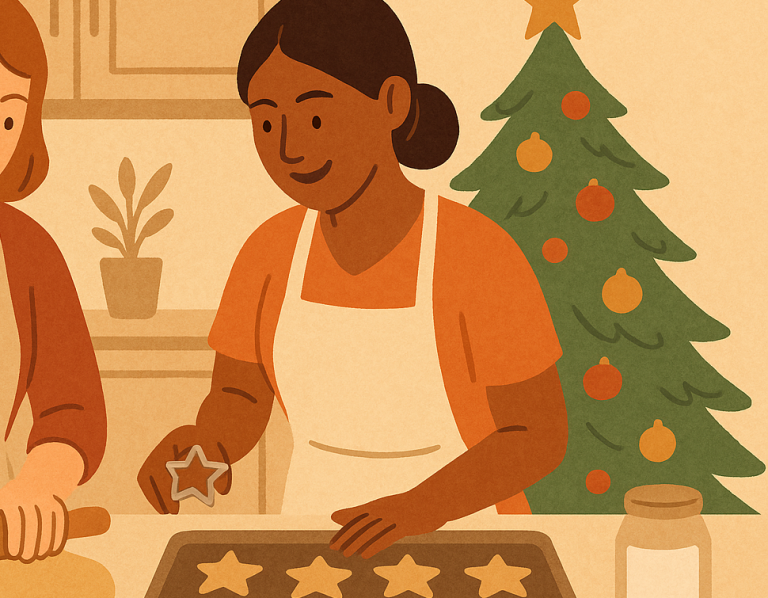
How to bake cookies
How to time food preparation
How to arrange decorations aesthetically
A short demonstration goes a long way.
Even better: take pictures & create micro-guides she can refer to next year.
(Helpers love clarity. Your future self will too.)
6. Discuss Time Off & Emotional Needs
Festive seasons often bring:
homesickness
tiredness
heavier workloads
financial pressure
Ask her what she needs too.
You might be surprised how much goodwill this builds.
Harmony is a two-way street.
What Not to Do
❌ Don’t dump extra tasks without context
❌ Don’t assume she knows what “holiday cleaning” means
❌ Don’t expect perfection without guidance
❌ Don’t wait until the last minute
❌ Don’t correct emotionally — correct clearly
Festive seasons magnify emotions — yours & hers.
How to Make It a Shared Success
Here’s my tried-and-tested framework for festive peace at home:
Communicate Early
Say things out loud before they become frustrations.
Put It in Writing
A festive checklist saves everyone stress.
(90% of misunderstandings disappear with written clarity.)
Use Visuals
Decoration pictures, table setting photos, sample wrapping.
Visuals cut across cultural & language barriers immediately.
🧡 Appreciate
A small “thank you” increases motivation more than you think.
Why This Matters
Festive seasons can either create stress or strengthen connection.
Your helper is part of your home — not an invisible machine.
When she feels prepared, valued & confident, the whole house feels different.
Festive joy looks like:
a clean home,
a calm family,
a confident helper,
& moments that feel warm for everyone.
Final Thought
Planning ahead is not micromanaging — it’s setting up your household for success.
The more clarity you give, the more harmony you receive.
Feeling in Chaos all the time? If you want support with festive planning or helper task structure, my Troubleshoot guide you step-by-step to create a smooth, respectful & joyful season for both you & your helper.
Because festive magic is something you create — together.