Your Struggle Is Real: Managing a Household and a Helper Isn't Simple
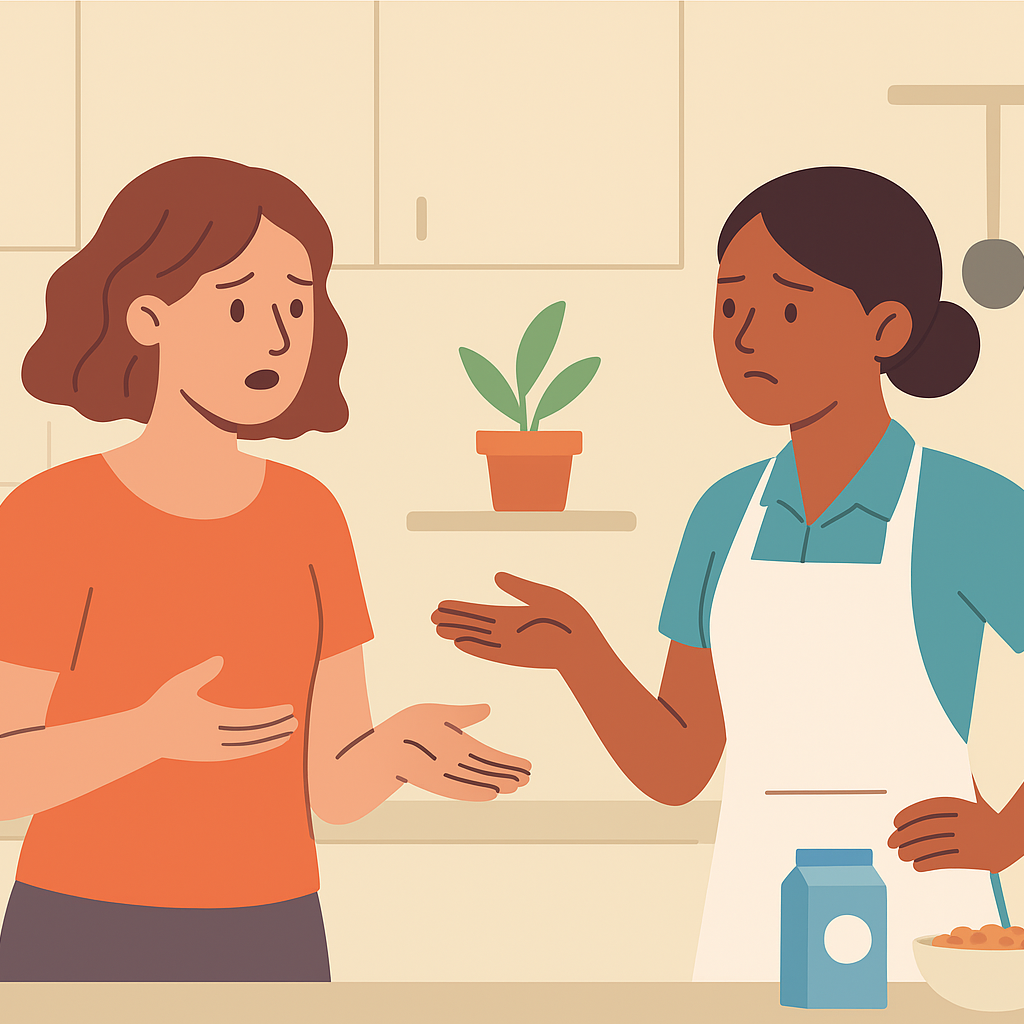
When I first started managing a household in Singapore with a helper, I thought it would simplify things. It didn't - at least not at first. What I quickly learned is that managing a household with a helper adds a whole new layer of emotional work, communication challenges and cultural learning.
It's not just about delegation - it's about bridging worlds.
For many Westerners, household management comes with clear personal standards: efficiency, hygiene, health-conscious meals and respect for privacy. But what happens when someone else steps into your private space with her own habits, logic and upbringing?
That's where the real work begins.
When "help" feels harder than doing it yourself
I remember the first week vividly. I had asked for healthy home-cooked food - simple dishes. What I got was delicious, but it came from pre-made seasoning pastes loaded with sugar, MSG and preservatives.
For her, it was normal: "The more, the tastier!" For me, it felt like a cultural food clash in a wok.
Then came the grocery list. Which milk? Full cream, low-fat, or oat? Which cereal, local cornflakes with sugar glaze or plain muesli? Even small details like that became micro-decisions.
Cleaning! That was another lesson in perception. The same cloth might be used for the mirror, the sink and the countertop. For her, it was practical efficiency; for me, it was a silent scream for separate sponges.
None of this came from ill intent - only from difference. Two systems of logic colliding quietly.
It's not just logistics - it's emotional labour
Families often tell me the same thing in the beginning: "We thought having a helper would take away the stress. But instead, we're constantly explaining, correcting, feeling guilty or unsure."
Most figure it out after a while and both sides adapt. But I bet, just like it was for me, there are still unspoken things driving you crazy, right?
It's not that helpers do things wrong - it's that expectations are unspoken, invisible and shaped by two entirely different cultural norms. Add to that a mix of guilt ("Am I being too demanding?") and gratitude ("She's helping my family, I should be patient") and the emotional load gets real.
Be aware: for your helper, the load of feeding her family is on her shoulders and the fear of being replaced easily is real.
Why I started a survey
After hearing countless similar stories from other families in Singapore, I realized this wasn't just my personal struggle. Many families were quietly navigating the same learning curve - unsure how to balance respect, privacy and expectations.
That's why I launched a survey, "Together at Home," to better understand the recurring challenges.
If you're curious about what I found, stay tuned for my next blog entry, where I'll share the key insights and small shifts that truly make a difference.
Feeling overwhelmed by the day-to-day? My Troubleshoot package is built exactly for moments like these, giving you a clear, structured way to reset expectations and restore harmony at home. Contact us to find the right fit for your family.